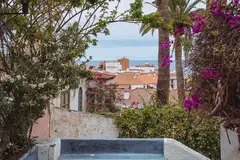
Costa Adeje
The south coast's smartest stretch: a seafront promenade of about 6 km linking a string of beaches, from the fishing village of La Caleta to Playa de Troya.
At a glance
- Where
- South-west coast, in the municipality of Adeje
- The coast
- From Playa de Troya to Callao Salvaje
- Promenade
- About 6 km, La Caleta to Troya
- From the south airport
- About 20 minutes by car
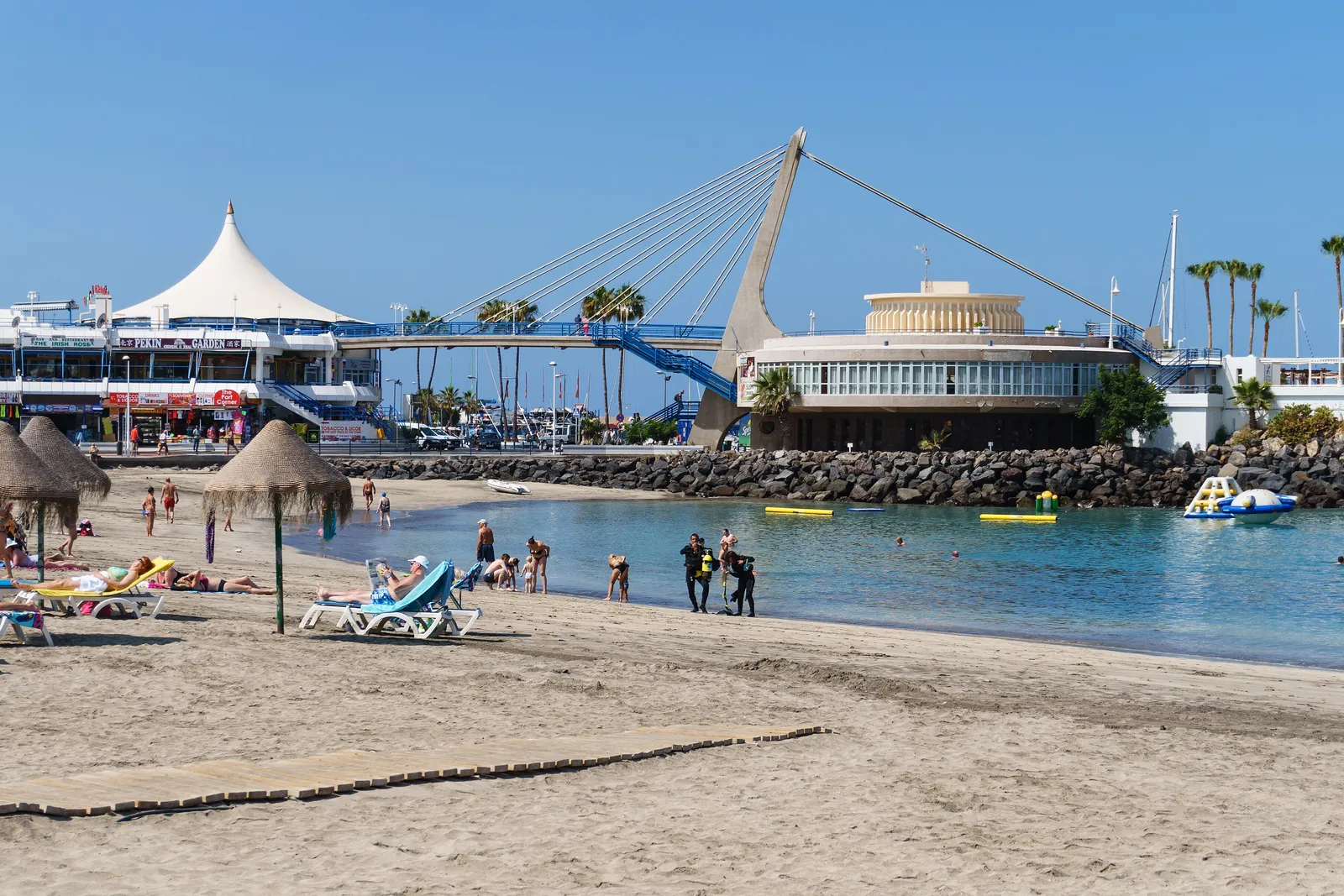
Costa Adeje is the holiday coast of the municipality of Adeje, running from Playa de Troya to Callao Salvaje. Playa de las Américas is next door, between Arona and Adeje. It was purpose-built as a resort in the 1960s, and most of its beaches are man-made, with sand imported from Africa because the local volcanic sand is dark.
Until the late 1960s this was farming country. The tourism boom that followed turned the coast into one of Europe's most important holiday destinations, and the municipality has grown from just over 14,000 people in 2000 to around 50,000 today.
It's the island's five-star coast too: Costa Adeje has the largest concentration of five-star hotels in the Canary Islands. Behind the resort, more than 45 per cent of the municipality is protected natural land, and the climate is about as dry as it gets, with only about 145 millimetres of rain a year in Adeje, falling on no more than 18 days.
The beaches
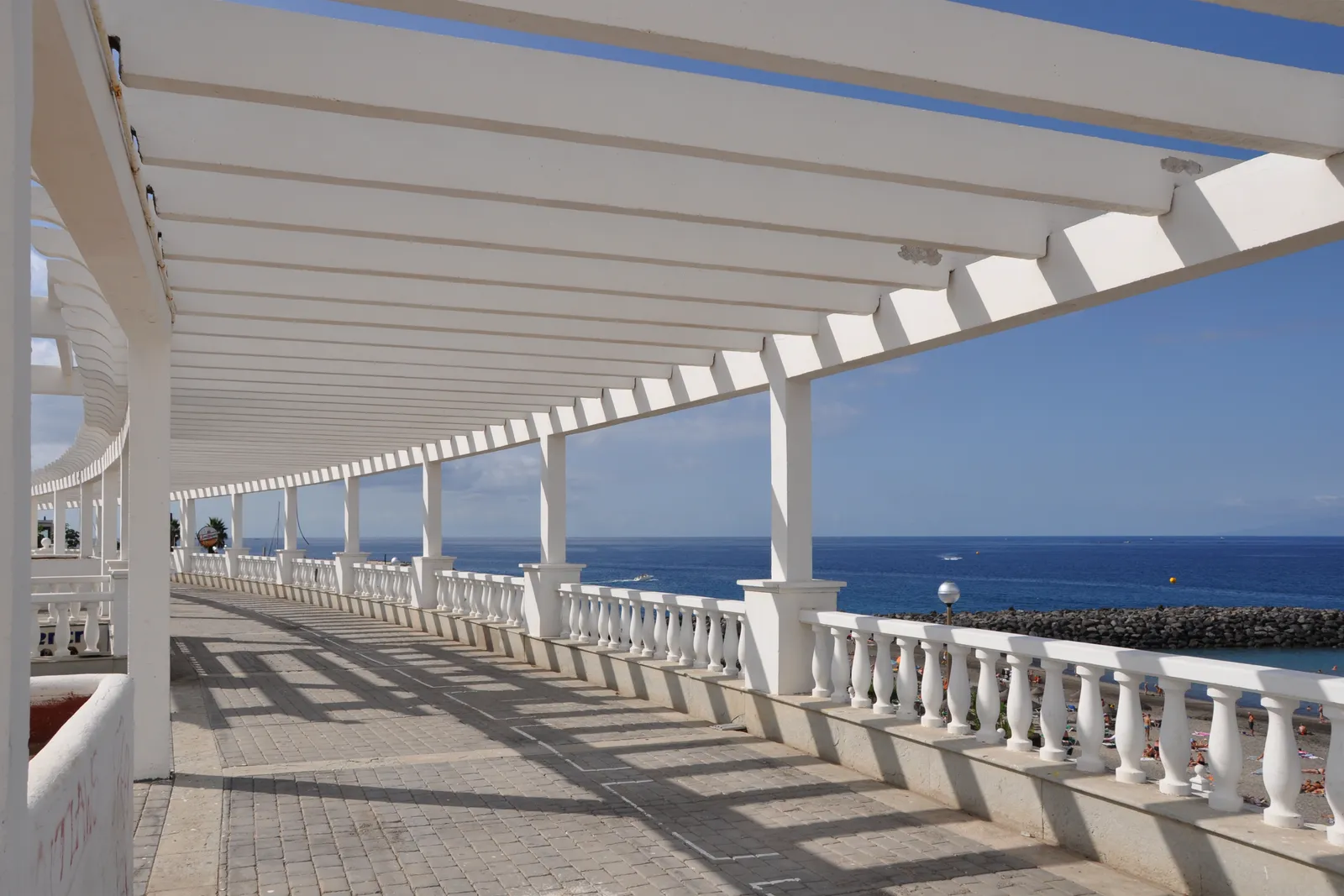
There are around 20 beaches and bathing spots along the Costa Adeje coast, from busy resort beaches with everything laid on to a cove you can only walk to. These are the main ones.
- Playa del Duque Light sand in front of some of the island's most luxurious hotels, with a Blue Flag, lifeguards, loungers and parasols for hire, showers, accessible toilets and an amphibious chair for wheelchair users.
- Diego Hernández An undeveloped beach near La Caleta, reached on foot along a path, with no facilities at all. The council suggests going at low tide.
- Fañabé About 600 metres long and one of the liveliest beaches in the south, with jet ski hire, parascending and banana boat rides.
- Torviscas Next to Fañabé, about 290 metres long, with water that's usually calm behind its breakwater.
- La Pinta A small golden sand beach of about 180 metres beside the Puerto Colón marina, kept calm by the breakwaters.
- Playas de Troya Two of the oldest established beaches on Costa Adeje, with dark volcanic sand and the tourist information office on their promenade.
- La Enramada About 325 metres long, with sand made from its own crushed pebbles, next to the church of San Sebastián.
The promenade
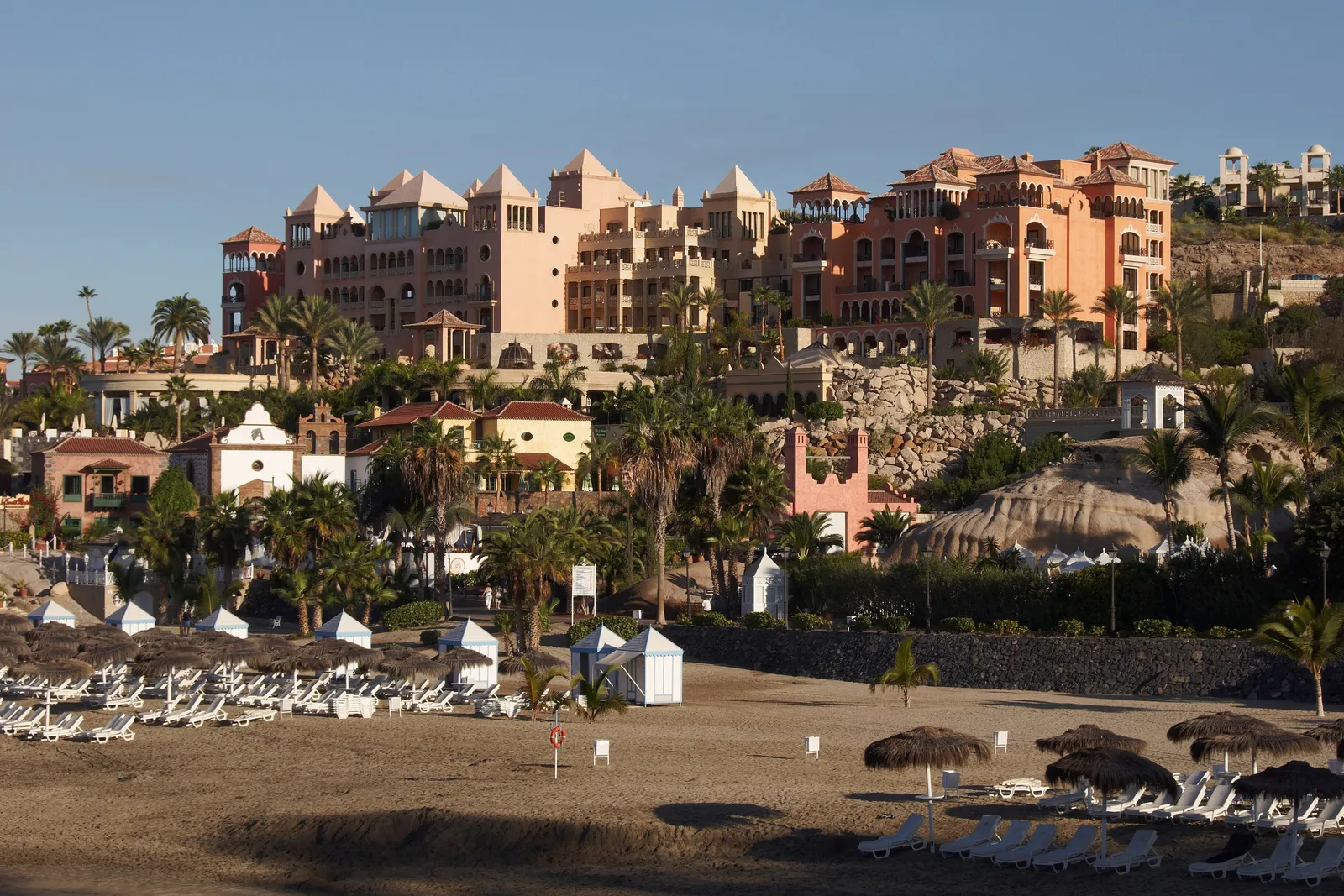
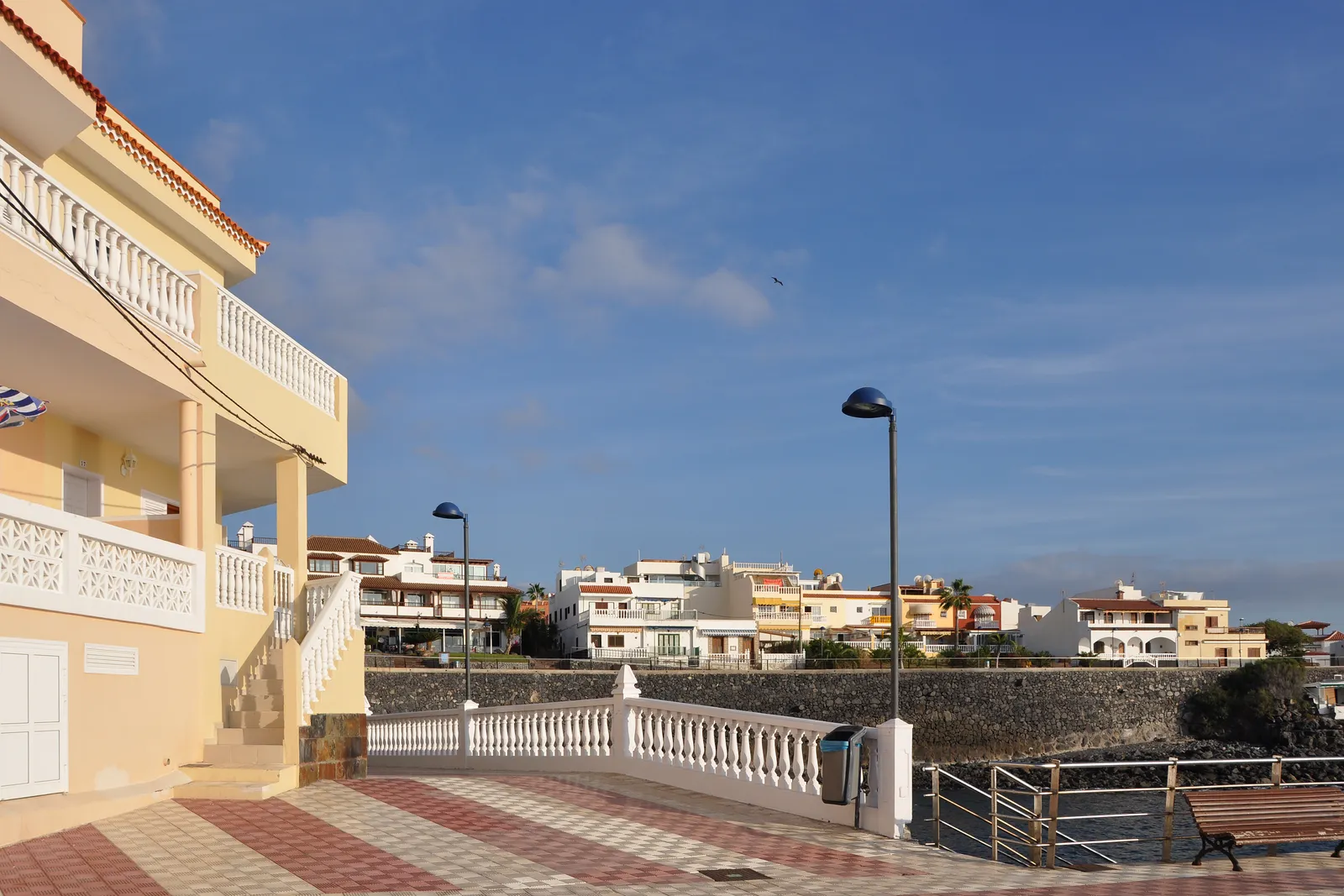
A seafront promenade of about 6 km runs from the fishing village of La Caleta to the Plaza de Troya, passing El Duque, Fañabé, Torviscas, La Pinta and both Troya beaches, and carries on to Los Cristianos.
The stretch from the Hotel Bouganville Playa to Puerto Colón is known as the Paseo de los Geranios, a nickname British visitors gave it because of all the geraniums.
La Caleta
La Caleta is a small fishing village at the northern end of the coast, known for its seafood restaurants. It once had a fishing jetty and a packing house that shipped fruit to England.
There's no sandy beach in the village itself. Instead, steps lead down into the sea from rocky bathing spots such as La Puntilla, La Punta, El Cabezo, El Muelle and Varadero.
Puerto Colón and the boats
Puerto Colón is the marina, with the Club Náutico and La Pinta beach beside it. Whale and dolphin watching trips leave from its pontoons; trips also set out from Los Cristianos and Los Gigantes.
The waters off the south coast are home to several colonies of whales and dolphins, though, as the council points out, a sighting can never be guaranteed.
The Barranco del Infierno
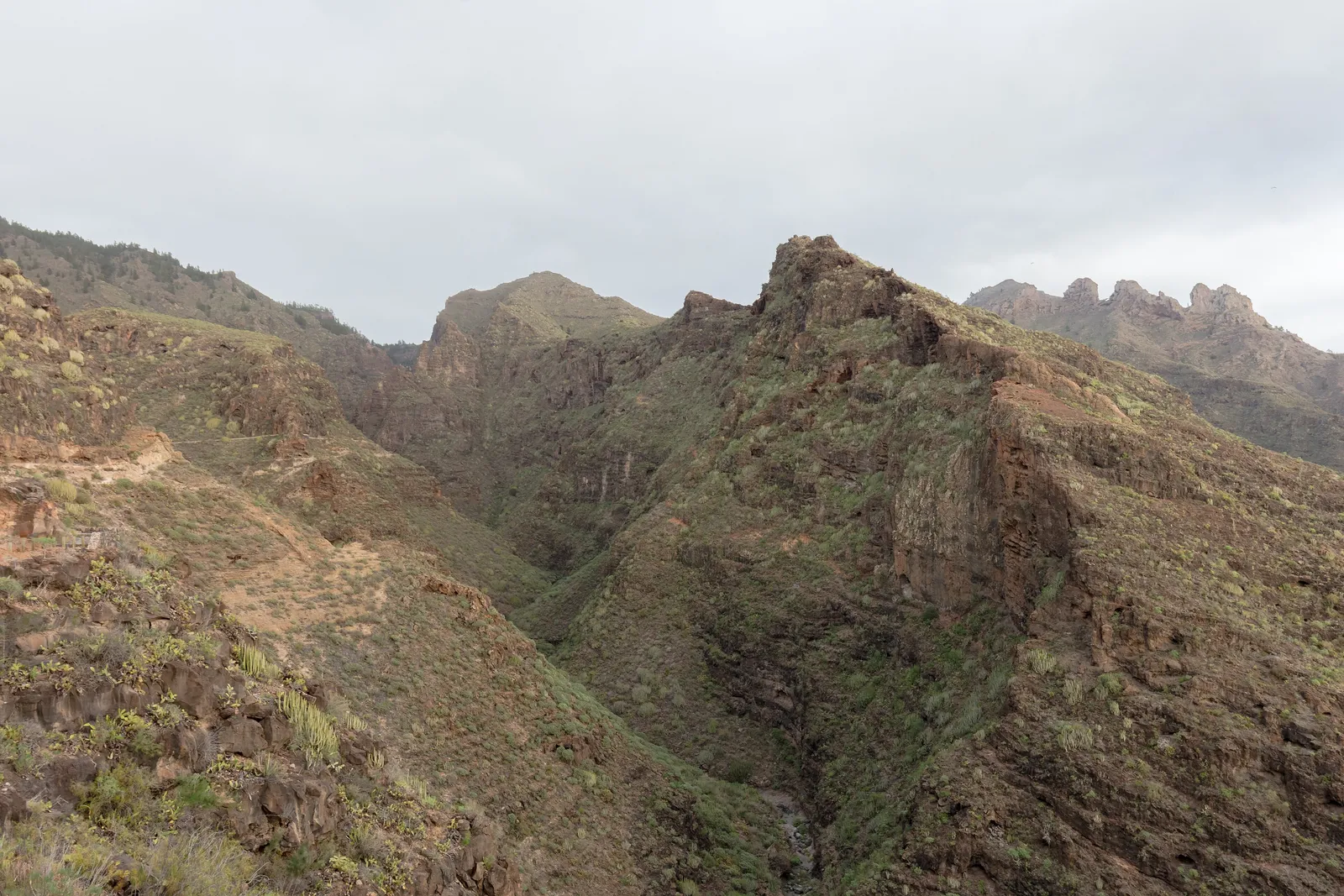
Up in Adeje town, the Barranco del Infierno, Hell's Ravine, is a special nature reserve. The walk starts from Calle de los Molinos and runs about 6.5 km there and back, past lookouts, beehives and an old mill, to a waterfall at the end. Allow about three and a half hours.
You must book in advance, as only 300 people a day are let in. Children under five aren't allowed, under-16s must be with an adult, helmets are compulsory and provided, you'll need proper footwear, and dogs can't go. Bookings are made at barrancodelinfierno.es, which shows the current prices and entry times.
Adeje old town
Adeje town sits up the hill above the resort. Its main street, Calle Grande, once had a channel cut into the rock that carried spring water down from the Barranco del Infierno.
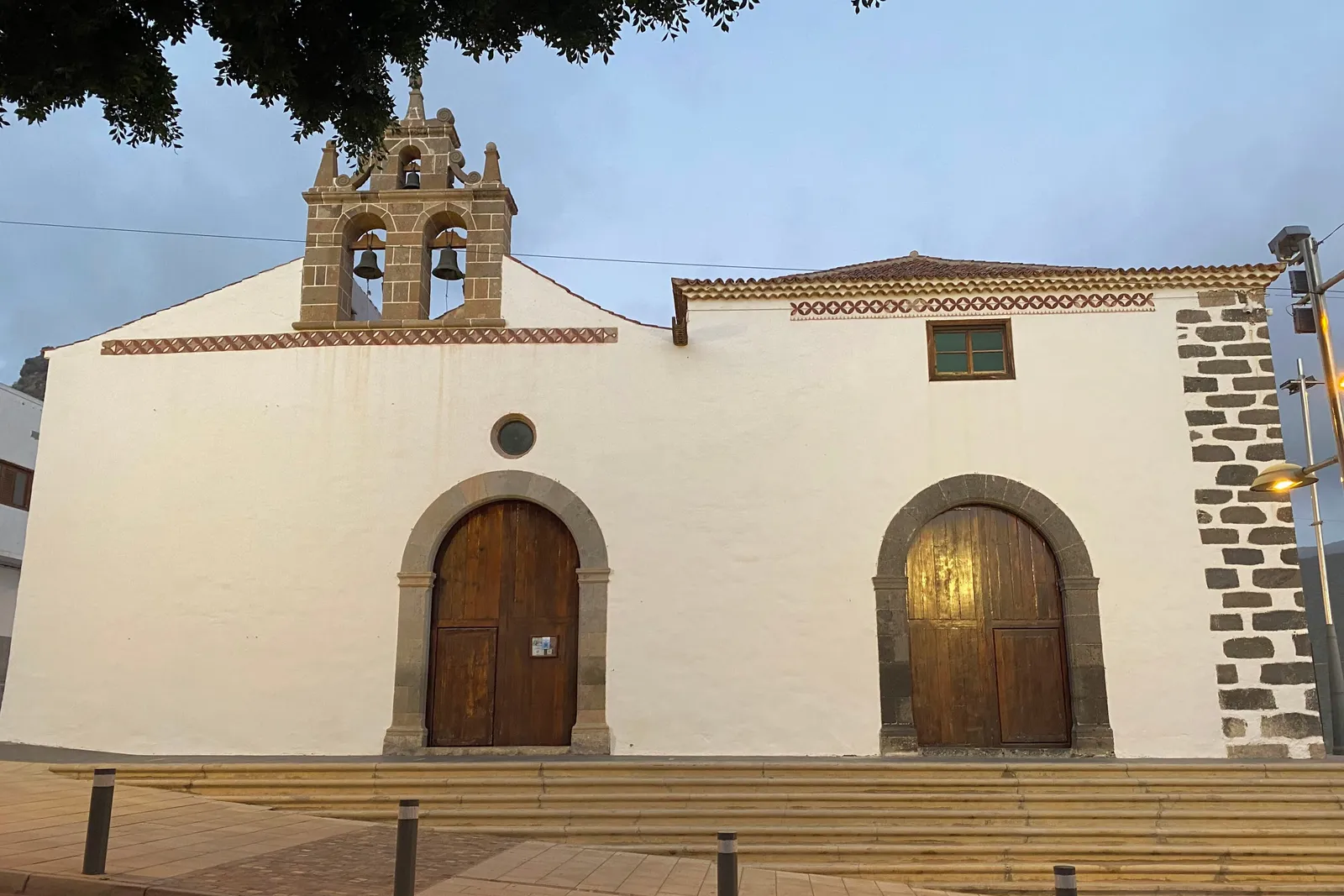
At the top of the street, the church of Santa Úrsula has a left nave dating from the 16th century and a Mudéjar style timber ceiling, and was declared a protected monument in 1986.
Close by are the remains of the Casa Fuerte, a fortified house built in 1556 by Pedro de Ponte to protect Adeje from pirates and destroyed by fire in 1902, and the church of the old Franciscan convent, founded in 1679, which is all that survives of it.
Siam Park
Siam Park, the Thai-themed water park, is in Costa Adeje and has 19 attractions. Its wave pool makes artificial waves up to 4 metres high, and the sand on its beach came from the Algarve in Portugal.
Getting there and around
Costa Adeje is about 20 minutes by car or taxi from Tenerife South airport, and there are direct buses. TITSA's line 40 runs between Costa Adeje bus station, Los Cristianos and the south airport, and line 343 links Costa Adeje with Puerto de la Cruz by way of both airports.
Buses also run up to Adeje town for the Barranco del Infierno, a ride of about 15 minutes. Check TITSA for the current route numbers before you go.
Dates for the diary
- 20 JanuaryThe fiesta of San Sebastián at La Enramada.
- Good FridayLa Pasión de Adeje: more than 300 amateur actors stage the Passion play in Calle Grande.
- OctoberAdeje's patron saint fiestas, around the second weekend of October: the Sunday for the Virgen de la Encarnación and the Monday for Santa Úrsula. The tradition goes back to a vow made in 1694, and the romería, a country procession, has run since 1979.
- 21 OctoberSanta Úrsula's feast day.
Dates, times and prices can change, so check with the town hall or the operator before you set off.
Facts from Turismo de Tenerife, Adeje council and TITSA pages, checked in November 2026, and the Deckchair FM Tenerife factbook.
Deckchair FM plays from Tenerife all day, every day.
Easy listening around the clock, with the island's weather and a bit of Tenerife life from our presenters.